How I'd grow Podsqueeze
September 25, 2026

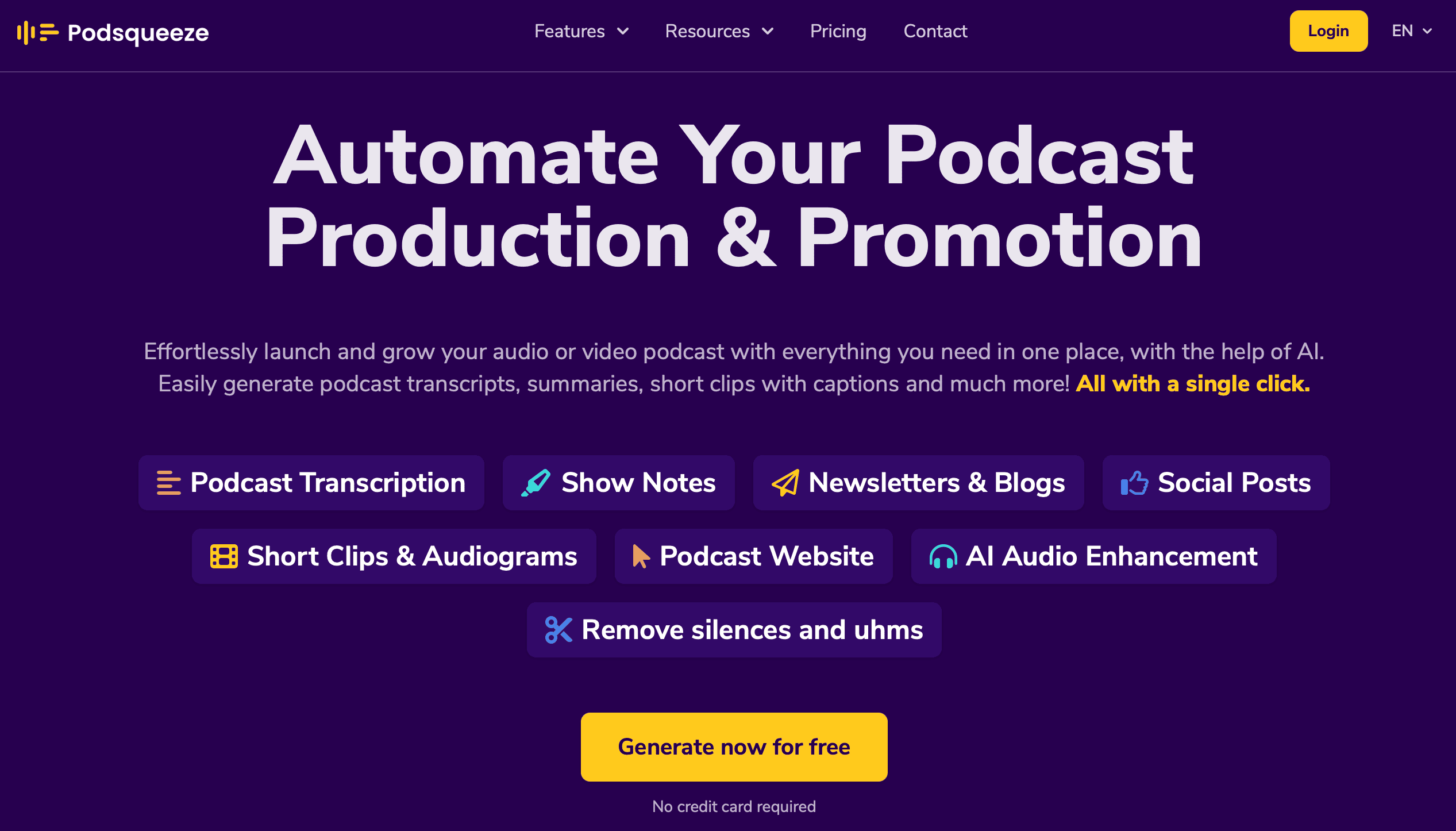
Podsqueeze is a product to transcribe podcasts. Or at least that's what it was born to do a few years ago.
With time it has evolved, adding a lot more features like generating short clips, editing files to remove silences, etc.
But the founders said growth has stalled and they feel stuck. They do get new customers but churn is high so overall it's flat.
According to them the biggest problem is that their product gets bought by new podcasters. Unfortunately most of them quit after a few months, and when they do they cancel.
They could keep trying to accelerate customer acquisition with more tactics to get more traffic, but I don't think that would be the right move. It's kind of like how you can't outrun a bad diet. It might hide the problem for a while but the moment things slow down it comes back. What I think would be interesting to try, without changing the product too much, is reframing it with a different positioning.
But first I'd look at the market. What's an ICP that wouldn't churn, assuming they're happy with the product? Podcasters who are already getting traction.
What pain point could the product really solve for them? For example most of them get listeners through YouTube so they don't really own their audience. That's platform risk.
What could Podsqueeze do for them? Maybe be the tool that takes them from borrowing an audience to owning it.
The messaging could go something like this: Podsqueeze is the product that turns your podcast into a real business. Most podcasts get their views on YouTube but that's a risk. Algorithms can change. Accounts can get banned. You're building on borrowed land. Future-proof your business: build a site and post your episodes on your own land too.
This automatically speaks only to more advanced podcasters. Beginners don't care about platform risk yet. Rising stars don't churn because they're unlikely to quit. And there are new ones emerging every month.
They also need a pain point to focus their communication on. There's a long road, which is educating them about why they need it, and a short road, which is playing on a need they already feel.
In this case I think many of them are already aware of one: they should have an email list. Every creator knows it but most never do it because it's painful to start.
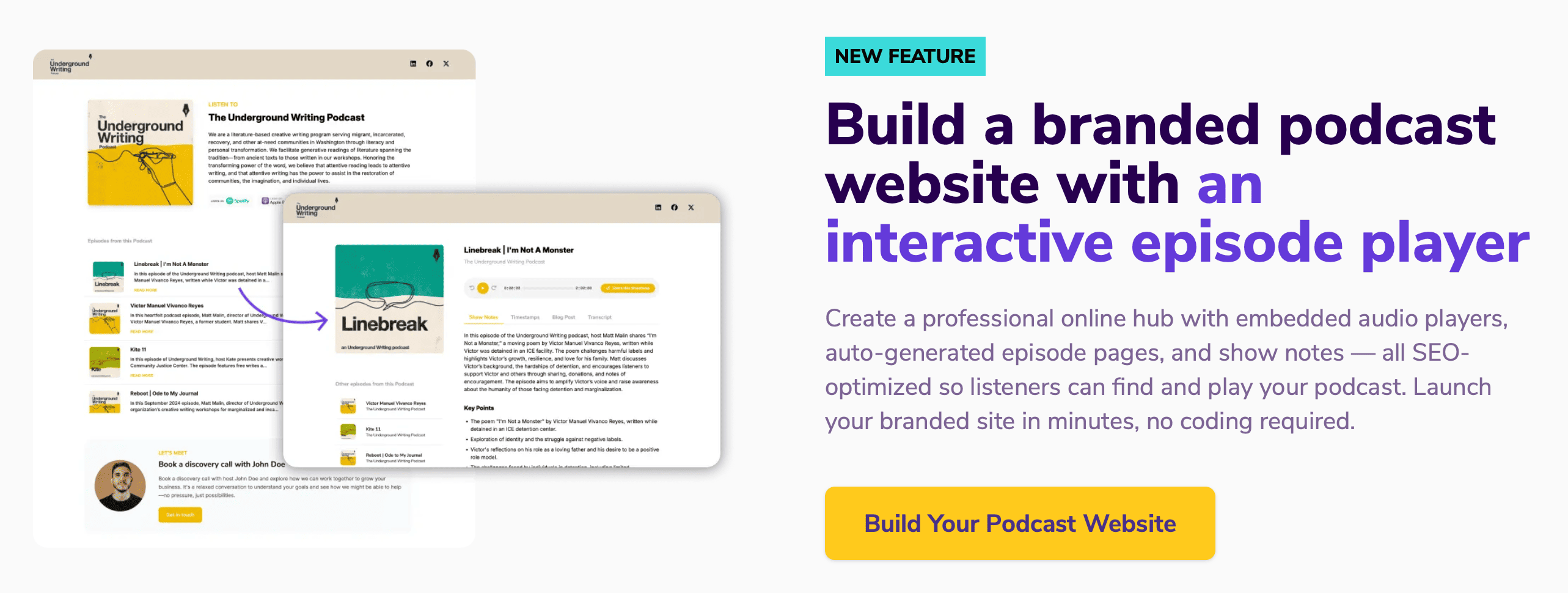
Podsqueeze should promise to make it incredibly easy and low effort. There are many podcast site builders but not many that help you build an email list of your listeners.
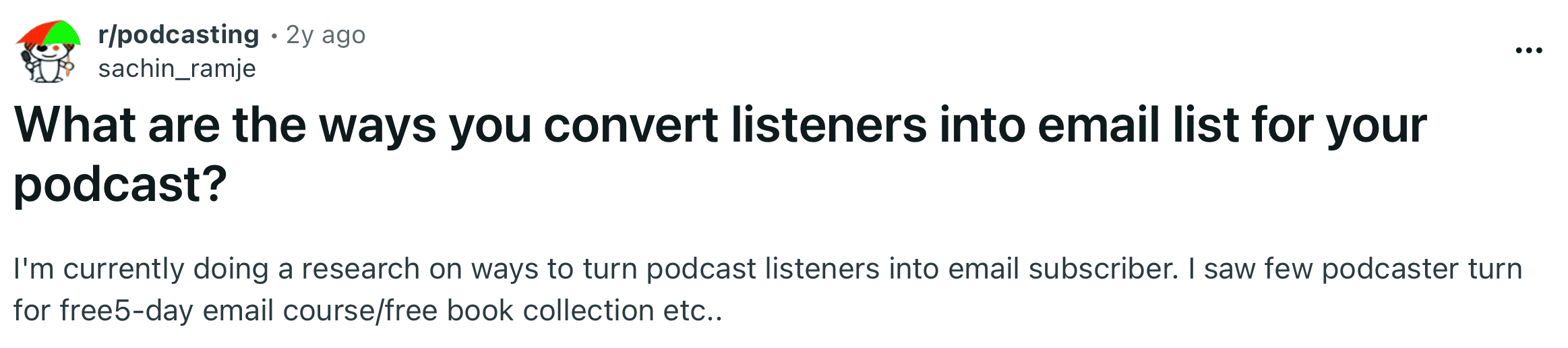
The next step should be convincing AI that they've repositioned, so Podsqueeze doesn't only get suggested when someone asks about podcast transcription tools.
To get there they should start a basic PR campaign targeting sites, small influencers, communities, etc. Besides creating that association for AI, this would also build links for traditional search and bring referrals from potential buyers.
In practice I'd go after the sites and creators that write about growing a podcast. Things like "best tools for podcasters" roundups, podcast growth newsletters and YouTube channels that teach people how to monetize their show. Then I'd reach out to each one with a specific angle instead of a generic pitch.
The easiest place to start is the podcast sites whose logos already appear on the Podsqueeze homepage, like The Podcast Host and School of Podcasting. The goal is simple: every new mention should describe Podsqueeze as the tool that helps podcasters own their audience.
This is one of those cases where a free plan could kickstart a growth loop.
Imagine a podcaster who can set up a site and an email list for free but has to keep a "made with Podsqueeze" badge. Once they start sending their audience to their site, every listener gets exposed to the Podsqueeze brand. The same goes for every newsletter that lands in subscribers' inboxes.
Some of those listeners will be podcasters themselves. Over time a few of them will use it to build their own free site and the loop will keep compounding.
Unlike a business running paid ads to a landing page, a podcaster isn't going to feel embarrassed by a small badge in the footer. It's the same trade-off that helped tools like Substack and Linktree spread.
The key is where the free plan stops. I'd tie the limit to the number of subscribers. Stay free until your list hits a certain size, then upgrade to keep growing.
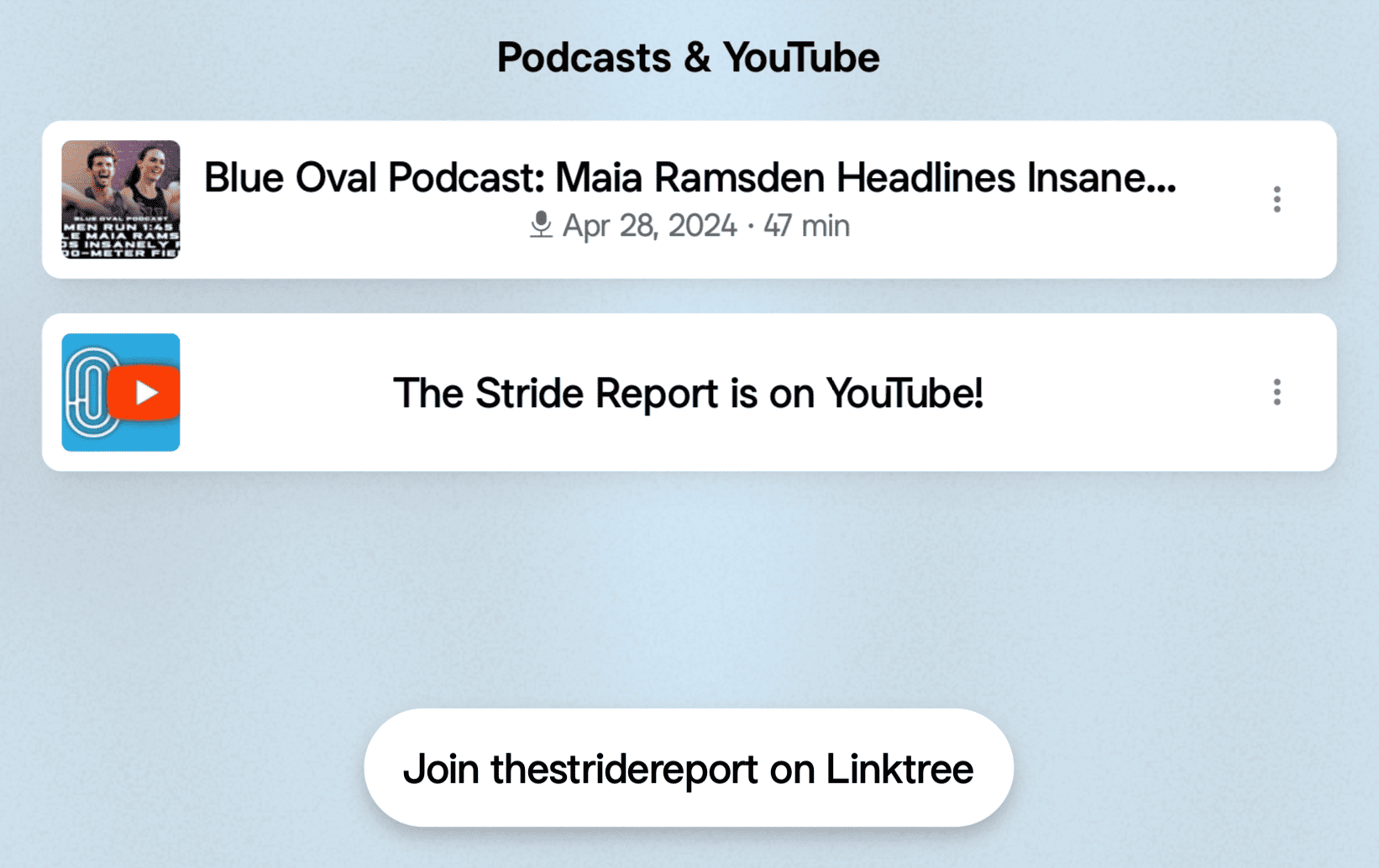
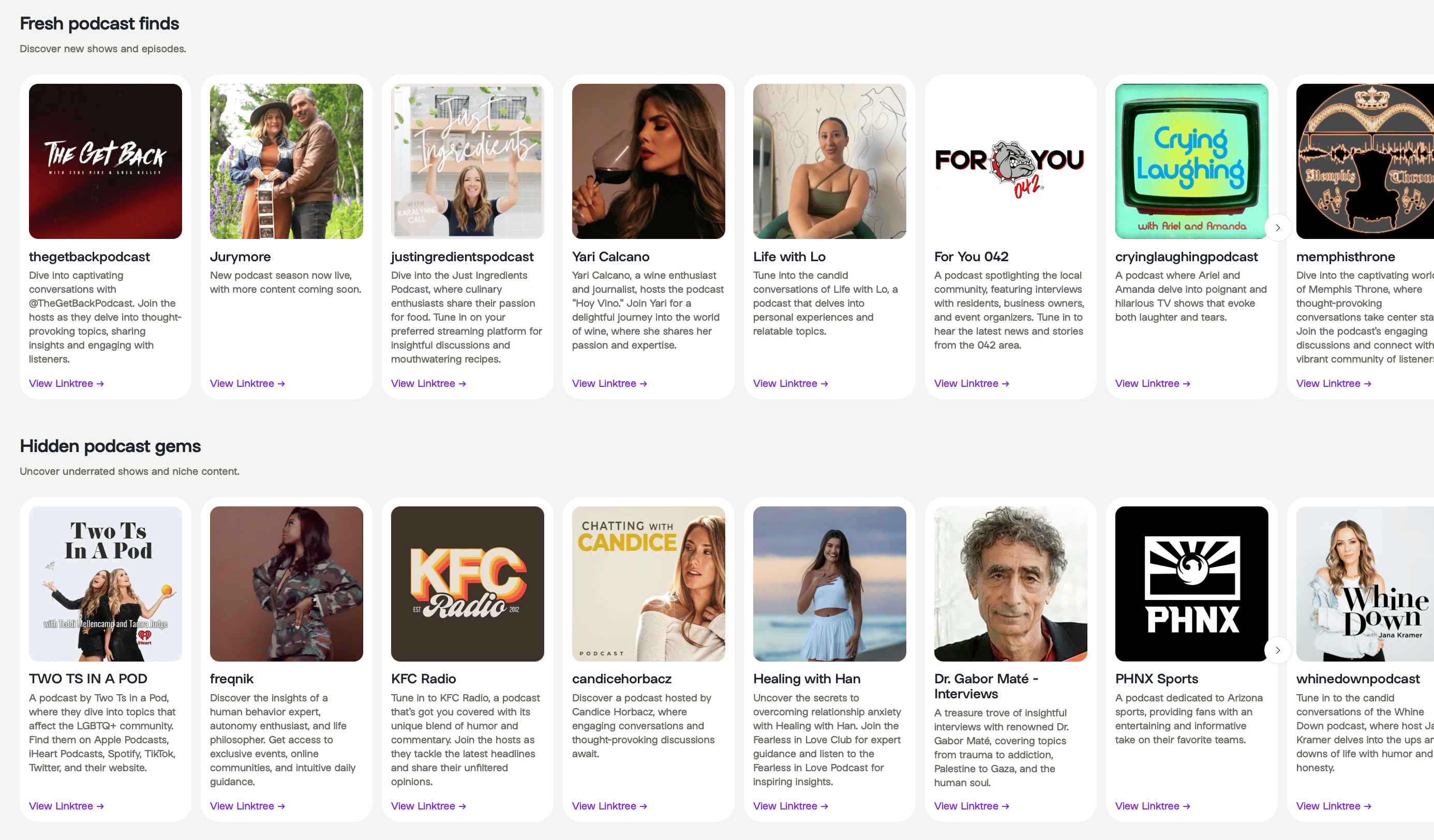
To find the first podcasters to reach out to I'd piggyback on a competitor. Linktree is already pitching podcasters on building an email list to own their fanbase, and it conveniently keeps a public directory of trending podcasts using its product with a whole section for emerging voices.
Podcasters on that list who already collect emails are the best prospects because they've proven they feel the pain. For them I'd offer a free migration and pitch what a generic link in bio tool can't do. That means a full site built automatically from their RSS feed, episode pages with transcripts that rank on Google, a newsletter written for them every time a new episode drops, etc.
The ones who don't collect emails yet are still worth a message. They're getting traction but haven't started building a list, so they're a perfect fit for the free site offered as a gift.
Podsqueeze already has a lot of content on its blog, from show notes templates to comparisons with competitors like Castmagic and Descript.
Some of it could keep working with the new positioning. Articles like email marketing for podcasts are exactly what a rising podcaster searches for. I'd update those and create more around owning your audience, like how to grow an email list for your podcast or lead magnet ideas for podcasters.
The problem is that many of these searches now get answered by AI Overviews and people never click.
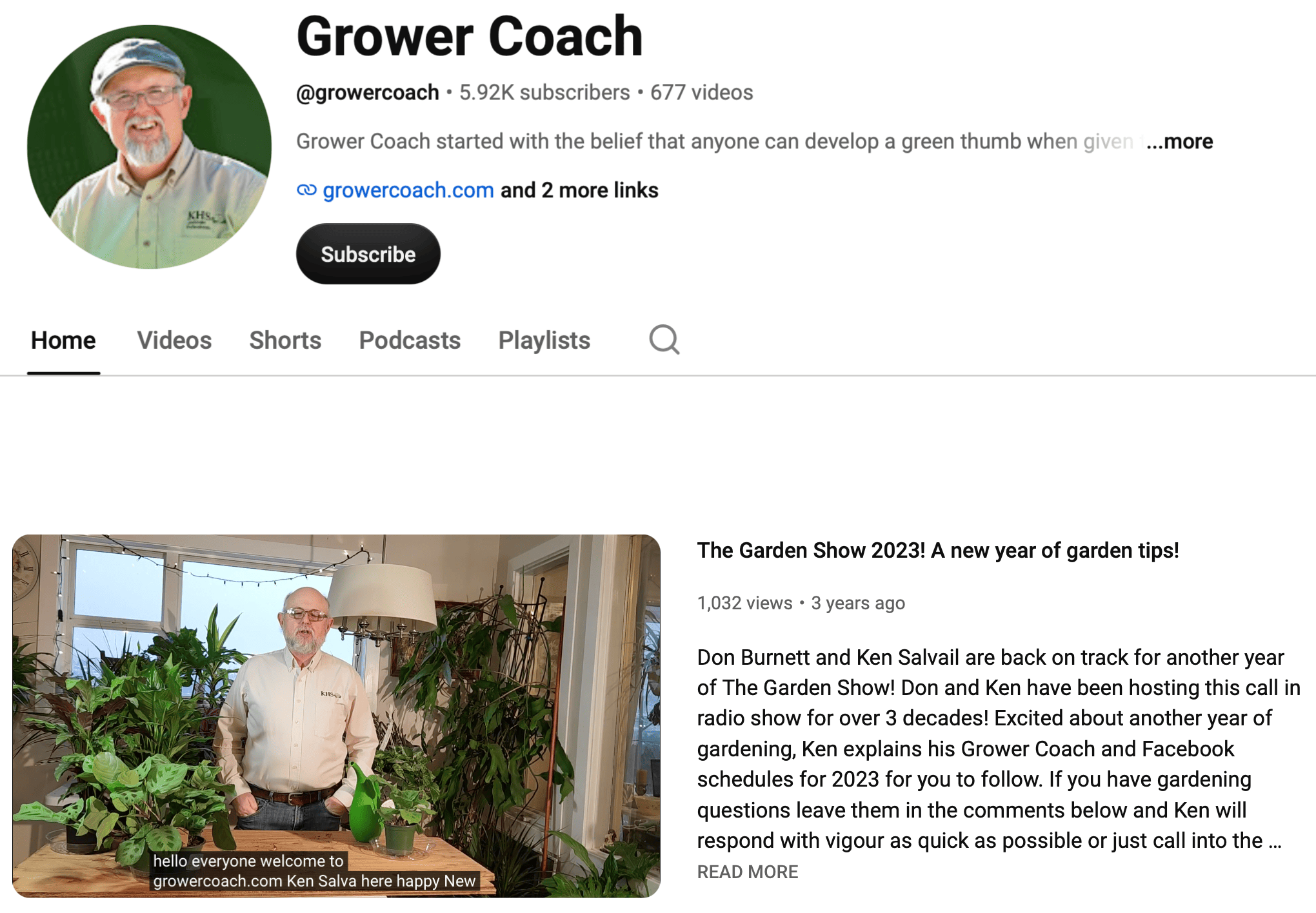
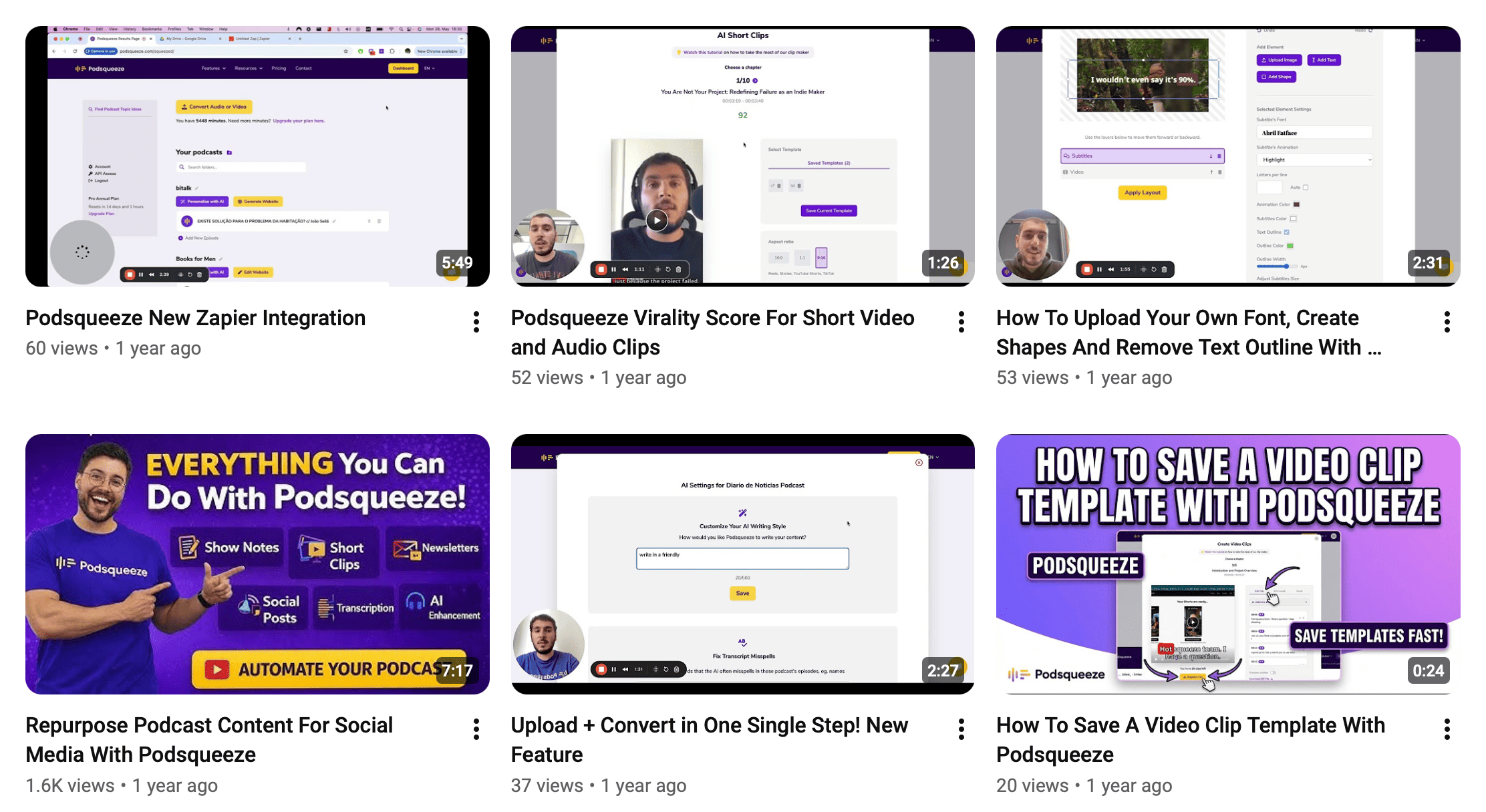
The way around it’s video. Google often shows YouTube results for how-to searches and AI Overviews regularly cite videos as sources. And podcasters are already on YouTube anyway.
I'd start from the audience they want to attract. What would a podcaster with a few thousand subscribers find interesting? Probably how shows like theirs turned listeners into a real business.
Then pick one format and stick to it. For example a teardown where they review a viewer's podcast site and brainstorm how to improve the business side of it. The product naturally shows up as part of the solution.
If people know what they'll get every week they subscribe and come back.
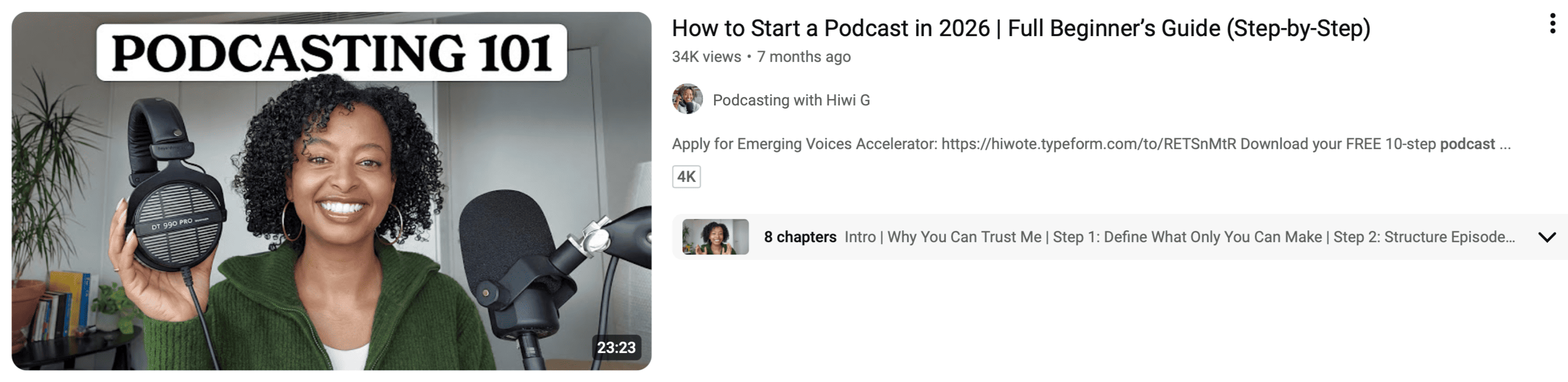
At the top of the funnel I'd run a longer play in parallel. There are many creators teaching people how to start a podcast. Their audiences are mostly beginners, the same people who churn today.
But some of tomorrow's rising stars are starting today. If Podsqueeze is a brand they see from day one, it's the first name that will come to mind when they start worrying about owning their audience.
I'd partner with these creators to recommend the free plan. It's not about selling to beginners but about planting the seed now to reap the benefits later.